
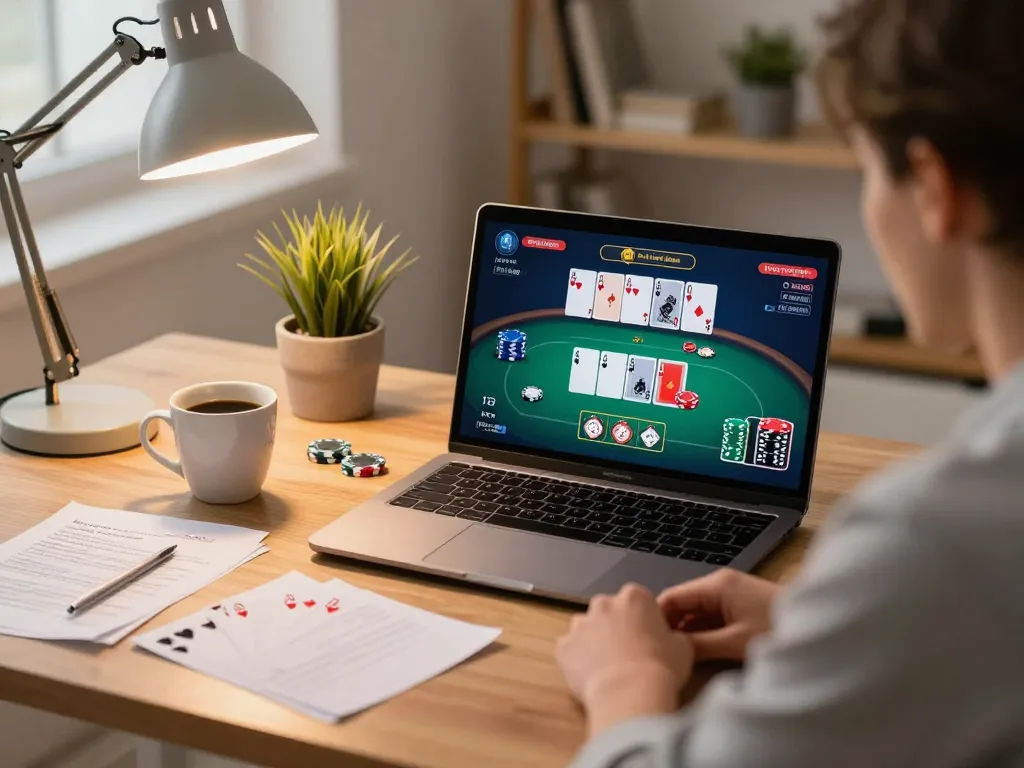
Understanding the Basics of Poker Games
In the world of gambling, poker stands out as one of the most strategic and skill-based games. It’s a rich tapestry woven with various variants, each presenting unique rules and challenges. Starting with the fundamentals is essential for newcomers, while seasoned players can refine their skills through nuanced strategies. When exploring options, DA88 provides comprehensive insights into online poker dynamics and strategies that cater to players of all levels.
Introduction to Poker Variants and Rules
Poker is not a singular game but a collection of variants, each with its own set of rules. Some of the most popular types include Texas Hold’em, Omaha, and Seven-Card Stud. In Texas Hold’em, players are dealt two private cards and use five community cards to make the best hand. Understanding the unique aspects of each variant is crucial as they often dictate not only the betting structures but also the strategies players must employ.
Key Concepts: Blinds, Antes, and Betting Structures
Two of the key components to poker gameplay are blinds and antes. Blinds are forced bets made by players to initiate action, while antes are obligatory bets made to build the pot. The structure of these betting mechanisms can vary between poker games and has a significant impact on the strategy. Knowing when and how much to bet, raise, or fold is essential in successfully navigating through a game.
The Role of Position in Poker Strategy
Your position at the poker table can significantly influence your strategy and outcomes. Players in late positions have the advantage of observing other players’ actions before making their decisions. This knowledge can be leveraged to make informed choices, increasing the chances of winning pots by adjusting to opponents’ betting patterns.
Strategies for Mastering DA88 Online Poker
To achieve success in online poker, players must be equipped with a range of strategies that encompass various aspects of the game. Both psychology and technical skills play a crucial role in mastering poker. Let’s dive deeper into effective tactics.
Reading Opponents: Tells and Betting Patterns
Mastering the art of reading your opponents is one of the most challenging yet rewarding skills in poker. Players often display subtle cues through betting patterns, timing, and physical tells. By understanding these signals, you can adjust your strategy and exploit weaknesses in your opponents’ play styles, improving your chances of winning.
Managing Your Bankroll Effectively
Effective bankroll management is a critical skill for any poker player. Knowing how much you can comfortably afford to play with and ensuring that you set limits before you start can protect you from significant losses. A common strategy is to never risk more than 1% to 5% of your total bankroll in a single game to prevent devastating financial impacts.
Advanced Betting Techniques for More Wins
To gain an edge in poker, players can implement advanced betting techniques such as continuation betting, value betting, and bluff-catching. Continuation betting involves betting on the flop after raising pre-flop regardless of whether you’ve hit the board, putting pressure on opponents. Value betting, on the other hand, aims to extract as much value from strong hands as possible. These techniques require careful consideration of your opponents and the current game dynamics.
Tools and Resources for Online Poker Players
To sharpen your poker skills and strategies, various tools and resources are available. By leveraging these, players can significantly enhance their game.
Best Software and Apps for Analysis
Utilizing software tools for hand tracking and analysis, like PokerTracker or Hold’em Manager, can provide insights into your performance and help identify areas needing improvement. These tools can analyze your games, track player statistics, and offer feedback about your decision-making processes.
Online Forums and Communities for Strategies
Engaging with online poker communities and forums can help riders of all levels refine their skills. Platforms like TwoPlusTwo and Reddit’s r/poker provide dedicated spaces for sharing strategies, discussing hands, and gaining insights from experienced players.
Books and Tutorials for Skill Enhancement
Many quality books and online tutorials cover various aspects of poker strategy. Classic books like “The Theory of Poker” by David Sklansky focus on fundamental strategies that apply to all variants of poker, while recent publications may cover current trends and advanced techniques. Investing time in these resources can significantly improve your understanding and performance.
Evaluating Your Performance and Adjusting Strategies
Continuous evaluation is essential for any poker player who desires to improve. By analyzing performance and making necessary adjustments, players can remain competitive in a rapidly evolving game.
Tracking Progress: Hand Histories and Stats
Keeping detailed hand histories and statistics not only allows players to track their success but can also help identify trends in gameplay. Analyzing these plays helps develop a more disciplined approach to poker, ultimately leading to better decision-making.
Learning from Losses: Post-Game Analysis
Post-game analysis is invaluable for personal growth. By analyzing hands where you lost chips, you can identify mistakes and areas for improvement. Consider discussing specific hands with peers or utilizing forums for feedback to refine your strategies further.
Adjusting Your Playstyle Based on Software Feedback
Using feedback from analysis software can help you adjust your playstyle according to your strengths and weaknesses. If metrics reveal a tendency to overvalue certain hands, players can consciously adjust their strategies and make more informed decisions in future games.
Promoting Responsible Gambling in Online Poker
As the online gambling space grows, so does the importance of promoting responsible gaming practices. Players must engage in poker with a perspective centered on enjoyment rather than as a means of income.
Setting Limits and Staying Within Your Budget
Setting clear limits on your time and financial investments is essential for responsible gambling. Establishing strict game budgets reduces the temptation to chase losses and encourages enjoyment. Remember, gambling should always remain a form of entertainment, never a way to make money.
Recognizing Signs of Problem Gambling
It is vital to recognize potential signs of problem gambling. Signs may include feeling compelled to gamble more frequently, gambling to escape stress, or spending more than intended. If you or someone you know is experiencing these issues, seeking support is crucial.
Resources for Support and Help
Numerous resources are available for those who may be struggling with gambling issues, such as the National Council on Problem Gambling (NCPG) and Gamblers Anonymous. These organizations provide support and resources for individuals seeking to curb gambling addictions.