
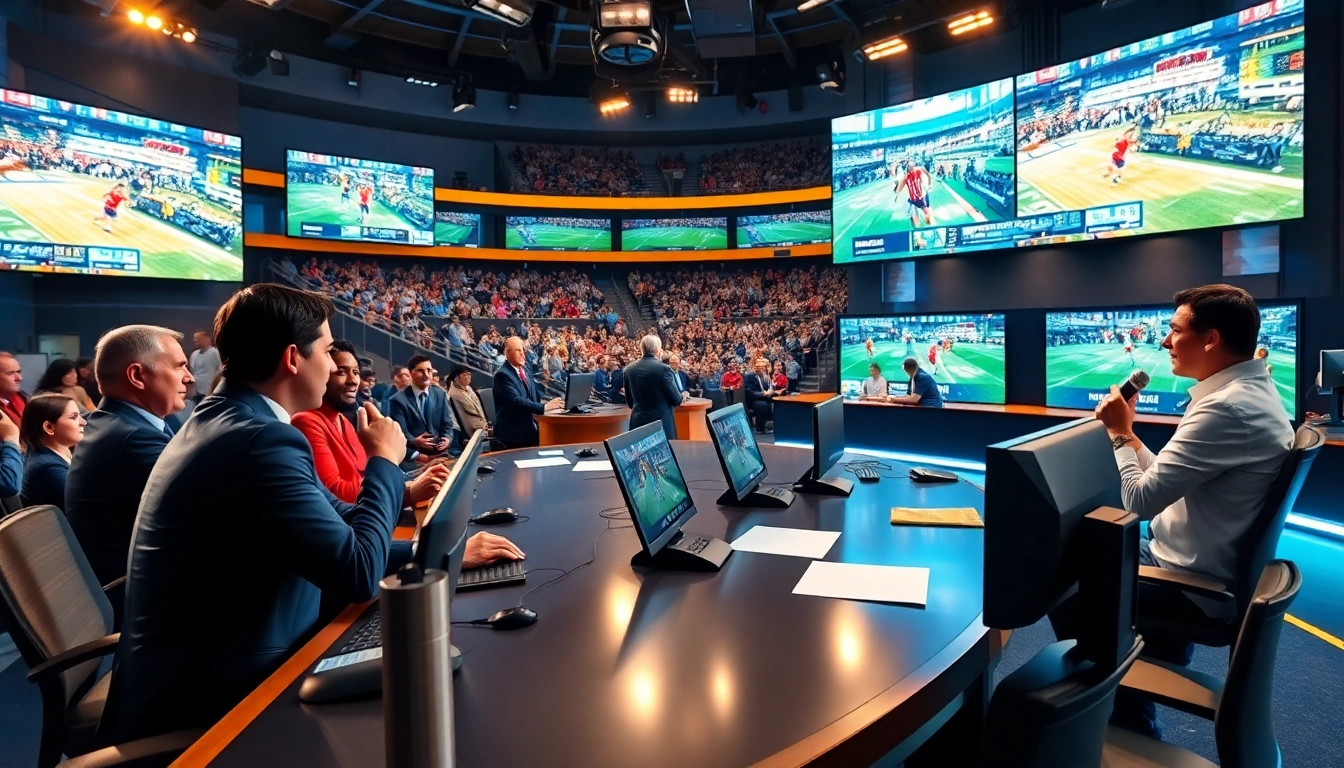
Understanding the Landscape of Sports Broadcasting
History and Evolution of Sports Broadcasting
The world of Sports Broadcasting has undergone remarkable transformations since its inception in the early 20th century. The first sporting event broadcast occurred in 1921 when a boxing match was aired on the radio, captivating audiences and marking the start of sports as a mainstream entertainment medium. This early involvement of radio demonstrated the potential of sporting events to reach wide audiences, generating interest and creating a unique form of storytelling that transcended the limitations of the physical stadium.
As technology advanced, so did the methods of broadcasting. The introduction of television in the late 1940s revolutionized sports, allowing fans to watch games from the comfort of their homes. Iconic events like the NFL Championship in 1958 showcased the power of television broadcasting, drawing millions of viewers and forever changing the dynamics of audience engagement.
With the digital age burgeoning in the 1990s and early 2000s, broadcasting entered a new phase, with the rise of cable networks dedicated exclusively to sports content. Additionally, the internet opened doors to live streaming platforms and on-demand services, extending the reach and availability of sports programming. This evolution pitched traditional broadcasters against new digital players, prompting innovative strategies to maintain audience loyalty and advertiser trust.
Key Players in the Sports Broadcasting Ecosystem
The sports broadcasting landscape is a complex ecosystem composed of various stakeholders. At the core are the networks and channels that have secured rights to air games and events. These can range from national broadcasters like major television networks to digital platforms specialized in sports streaming.
Sports leagues, such as the NFL and NBA, play a crucial role as they negotiate broadcasting rights that not only contribute to their revenue but also determine the visibility of their brands. Additionally, production companies and creative agencies are indispensable for creating engaging content—from flashy highlights to in-depth analyses that resonate with fans.
Moreover, technology providers are critical in this landscape, as advancements in broadcasting technology—including HD broadcasts, 360-degree camera systems, and augmented reality—are enhancing viewer experiences. This collaborative ecosystem must navigate an ever-evolving landscape, balancing audience preferences with the realities of broadcasting economics.
Current Trends Influencing Sports Broadcasting
As we move through the digital age, several trends are shaping the future of sports broadcasting. One of the most significant trends is the shift towards personalized and interactive viewing experiences. With audiences increasingly demanding customized content, broadcasters are adopting data analytics to tailor their offerings, providing more relevant programming based on viewer habits and preferences.
Another notable trend is the rise of social media platforms as secondary channels for sports broadcasting. Fans increasingly turn to platforms like Twitter and Instagram to consume highlights, engage with content, and participate in live discussions. This trend pressures traditional broadcasters to broaden their digital strategies, integrating social engagement into their programming for a holistic viewer experience.
The impact of eSports on traditional sports broadcasting is also profound. As eSports continues to gain popularity, many broadcasters are beginning to view it as a complement to their existing offerings, further evidencing the high demand for competitive and interactive experiences.
Core Components of Effective Sports Broadcasting
Technology and Equipment for Broadcasting
In the world of sports broadcasting, technology and equipment serve as the backbone that supports high-quality content delivery. Cameras, microphones, and broadcasting equipment have seen substantial improvements over the years, leading to enhancements in picture and sound quality which are crucial for immersive viewer experiences.
Industry standards now often include 4K resolution and sophisticated sound systems that replicate stadium atmosphere. Moreover, the utilization of drones for aerial footage and robotic cameras for dynamic shots adds unique perspectives that captivate audiences. Broadcasters utilize these innovations to not only enhance enjoyment but also to deliver timely statistics and real-time replays that elevate viewer engagement.
Content Creation Strategies for Sports Programming
Effective content creation strategies are critical to maintaining viewer interest in sports broadcasting. Producers and content creators focus on crafting narratives that extend beyond the excitement of the game itself. By incorporating interviews with athletes, behind-the-scenes access, and expert commentary, broadcasts can create multifaceted stories that engage viewers on emotional and intellectual levels.
Utilizing audience input is another strategy that is gaining traction. Polls, live chats, and social media integrations give fans a voice, creating a sense of community around their viewing experiences. Engaging viewers through these interactive elements can improve retention rates and loyalty, ensuring they return for future broadcasts.
Engaging Viewers Through Storytelling
Storytelling is a vital component that enriches the sports broadcasting experience. By weaving personal narratives about players, teams, and historical contexts into the broadcast, networks can forge emotional connections with viewers. This approach helps elevate the drama and stakes of games, allowing fans to invest more personally in outcomes.
Effective storytelling often includes a variety of techniques, such as flashbacks that highlight significant historical moments or real-time emotional reactions captured during gameplay. These elements create a richer experience that resonates deeply with audiences and invites them to appreciate the sports event in broader cultural contexts.
Challenges in the Sports Broadcasting Industry
Navigating Copyright Issues
One of the most pressing challenges facing the sports broadcasting industry is navigating complex copyright issues. The digital landscape has made it easier for content to be reproduced and disseminated, raising concerns about ownership and licensing rights. Broadcasters must ensure they have the appropriate licenses to air games and provide ancillary content, or they risk facing legal repercussions and financial penalties.
To combat this, sports organizations and broadcasters are increasingly adopting stringent measures to protect their content. This may include employing technologies that monitor unauthorized broadcasts in real-time and collaborating with legal teams to ensure compliance and potential enforcement actions against copyright infringements.
Adapting to Changing Viewer Preferences
The rapid shift in viewer preferences means that traditional broadcasting strategies no longer suffice. As younger audiences turn to streaming platforms for on-demand viewing, traditional broadcasters must innovate their delivery methods. This includes incorporating multi-screen viewing experiences and offering flexibility in how and when content is consumed.
Moreover, acknowledging generational differences in viewing habits helps producers design content that is more aligned with new expectations concerning interactivity, entertainment, and immediate access to statistics and social engagement. Recognizing these trends is crucial for retaining relevance in a competitive market.
Managing Live Broadcast Delays and Errors
Live broadcasts come with inherent challenges, particularly the risk of delays and technical errors that negatively impact viewer experiences. These issues can arise from various factors, including system outages, equipment malfunctions, or transmission interference. Viewers often have low tolerance for disruptions during live events, especially in high-stakes situations.
To mitigate these risks, broadcasters can invest in state-of-the-art technology and redundancy systems that ensure multiple backup options. Furthermore, thorough rehearsals and testing ahead of live shows help identify potential pitfalls, fostering a smoother experience during actual broadcasts.
Performance Metrics in Sports Broadcasting
Key Performance Indicators to Measure Success
Performance metrics in sports broadcasting are essential for determining the success and effectiveness of programming. Some key performance indicators (KPIs) include viewer ratings, channel subscriptions, and ad revenue. By analyzing these metrics, networks can glean insights into audience behaviors and preferences, helping them refine their strategies accordingly.
Furthermore, demographic breakdowns of viewership allow networks to tailor content toward specific segments, maximizing engagement and meeting the diverse interests of their audience. Implementing a data analytics strategy ensures that every broadcast can evolve based on proven insights, fine-tuning content for greater impact.
Analyzing Viewer Engagement and Retention Rates
Measuring viewer engagement and retention rates is vital for sports broadcasters who wish to maintain a loyal audience. Metrics such as average watch time, returning viewer percentages, and social media interactions can offer valuable insights into how well viewers connect with their content. Analyzing this data helps broadcasters understand what works and where to improve.
Additionally, real-time analytics can inform instant programming decisions, allowing broadcasters to pivot content based on live audience engagement levels. This allows for dynamic adaptability that can result in higher viewership and satisfaction rates.
Utilizing Data for Continuous Improvement
Data-driven decision-making is increasingly vital in sports broadcasting, enabling executives to leverage insights for continuous improvement. By employing technologies to gather viewer data, networks can gain a comprehensive grasp of audience preferences and trends, informing everything from content development to advertising strategies.
Analytics serve to equip broadcasters with the knowledge needed to anticipate viewer trends, helping them craft programming that remains relevant and engaging. Incorporating feedback loops, whether from surveys or real-time social media interactions, ensures that audience input guides future broadcasting initiatives, creating a cycle of ongoing refinement and success.
Future Directions of Sports Broadcasting
Impact of Streaming Services on Traditional Broadcasting
The advent of streaming services is one of the most significant influences on the future of sports broadcasting. Platforms like Netflix and Hulu have redefined media consumption, prompting traditional broadcasters to explore partnerships and develop their streaming models. This shift provides viewers with higher flexibility in how they consume sports content, whether live or on a delayed basis.
Moreover, the capability of streaming platforms to provide personalized viewing experiences is prompting traditional broadcasters to adopt similar strategies that enhance viewer engagement and retention. These changes create new competition and can also yield unexpected collaboration opportunities aimed at delivering better experiences for sports fans.
Emerging Technologies in Sports Broadcasting
Emerging technologies are set to reshape the landscape of sports broadcasting. Innovations such as virtual reality (VR) and augmented reality (AR) promise to transform how fans experience sports events. For example, VR can transport viewers to the front row of a game, creating immersive environments that enhance appreciation and engagement.
Furthermore, machine learning algorithms are being utilized to enhance content recommendations, drive analytics, and optimize ad placements, ensuring that the sports broadcasting ecosystem remains at the cutting edge of viewer engagement technology.
Imagining the Next Generation of Sports Broadcasting
The next generation of sports broadcasting will likely emphasize interactivity, personalization, and community engagement. Future broadcasts may deliver enhanced multi-platform experiences, allowing fans to interact with content during live events through smartphones and smart speakers.
Additionally, increasing focus on data privacy and user preferences will shape how broadcasters approach content delivery. This future-oriented strategy hinges on adapting to viewer needs while embracing the technological advancements that power the next wave of sports broadcasting. By placing the audience at the forefront of decision-making, broadcasters will pave the way for a new era filled with dynamic interactions and unforgettable moments.
FAQs
What are the primary challenges in sports broadcasting?
The main challenges include copyright issues, adapting to viewer demands, and technical errors during live broadcasts.
How do technology advancements affect sports broadcasting?
Technological advancements enhance viewer experience with improved picture quality, real-time stats, and interactive content.
What metrics are essential in evaluating sports broadcast success?
Key metrics include viewer ratings, engagement levels, and audience growth trends over time for continuous improvement.
What role does storytelling play in sports broadcasting?
Storytelling creates emotional connections, engages audiences, and enriches the narrative of events beyond just gameplay.
How is sports broadcasting adapting to streaming trends?
Sports broadcasting is integrating streaming services, offering on-demand content, and exploring exclusive streaming agreements.