
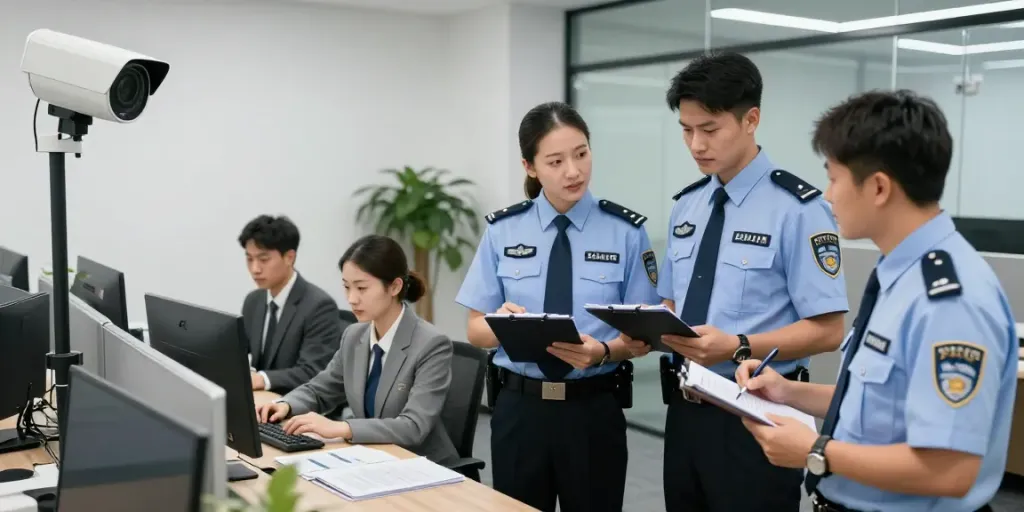
Understanding Corporate Security: Services and Expectations
In today’s complex business environment, corporate security is vital for ensuring the safety of personnel, assets, and sensitive information. Companies face a myriad of threats ranging from theft and vandalism to cybersecurity breaches. Therefore, selecting the right security partner is crucial. When exploring options, Corporate Security providers offer comprehensive insights into various protective measures tailored to different industries. This guide helps understand what corporate security entails, the types of services available, and what to expect from professional security providers.
The Role of Corporate Security in Business Protection
Corporate security serves as the frontline defense against potential threats that could disrupt business operations. By implementing a structured security strategy, businesses can not only protect their physical and digital assets but also maintain employee safety and customer trust. Corporate security functions encompass a variety of measures, including manned guarding, surveillance systems, access control, investigations, and risk assessments that contribute to an all-encompassing protective posture.
Types of Corporate Security Services to Consider
- Manned Guarding: Security personnel stationed to deter potential threats and respond to incidents.
- Event Security: Professionals trained for crowd management and emergency response at events.
- Risk Management: Evaluating and mitigating potential threats to an organization.
- Cybersecurity Measures: Strategies and tools to protect digital assets and sensitive information.
- Access Control Systems: Technologies to manage who enters and exits corporate premises.
What to Expect from a Professional Security Partner
When selecting a corporate security provider, businesses should expect a range of personalized services that cater to their unique needs. This includes thorough assessments of security vulnerabilities, implementation of tailored security plans, and ongoing evaluations to adjust strategies as necessary. Clients should also seek a provider who emphasizes communication, professionalism, and a proactive approach to risk management.
How to Choose the Right Local Corporate Security Provider
Choosing a corporate security provider requires careful consideration. Factors such as the provider's experience, service offerings, and understanding of local regulations are critical in making an informed decision. Moreover, organizations should assess the alignment of potential partners with their values and operational requirements.
Evaluating Accreditations and Licenses
It's essential to verify the accreditations and licenses of any potential security firm. In the UK, security companies are regulated by the Security Industry Authority (SIA). This ensures that all personnel are qualified, trained, and operating within legal frameworks. Look for certifications from reputable organizations, like ISO 9001 for quality management and NSI Guarding, which signify adherence to industry standards.
Top Tips for Assessing Service Quality
- Conduct Interviews: Meet potential providers to discuss their experience and service methodology.
- Request a Trial: If possible, ask for a trial period to assess their capabilities firsthand.
- Review Coverage Area: Ensure the provider covers the regions your business operates in, which is particularly important for companies with multiple locations.
- Understand Service Flexibility: The ability to scale services up or down can be crucial, especially for businesses experiencing growth or seasonal variations.
- Check for Insurance: Verify that the provider carries adequate liability insurance to safeguard your business against potential incidents.
Customer Reviews: The Key to Making Informed Decisions
Customer feedback can offer invaluable insights into a security provider's reliability. Check for online reviews, testimonials, and case studies to gauge the provider's reputation in the market. Such references can help establish trust and confirm that the firm delivers satisfactory service.
Corporate Security Pricing Guide: What to Know
Understanding the costs associated with corporate security can help businesses budget effectively and avoid unexpected expenses. It's essential to break down these costs and understand the different factors involved in pricing corporate security services.
Breaking Down Costs: Hourly Rates and Service Packages
The cost of hiring security services typically ranges from £12 to £20 per hour for basic security guard services in the UK. Rates can increase significantly depending on service types, such as specialized event security, executive protection, or comprehensive risk assessments. Understanding service packages can help businesses find a solution that fits their needs.
Factors Affecting Corporate Security Pricing in London
- Service Type: Different services have varying costs; for instance, luxury events may require specialized personnel.
- Duration of Service: Prices may vary based on whether services are needed temporarily or on an ongoing basis.
- Location: Companies in central or high-risk areas may face higher fees compared to those in less populated regions.
Budgeting for Comprehensive Security Solutions
When budgeting for security, businesses should factor in not only immediate service requirements but also long-term costs such as maintenance of surveillance systems, ongoing training for security personnel, and potential upgrades in technology. Allocating resources to enhance security as part of an overall strategy is advisable in fostering resilience against threats.
Licensing and Compliance: Ensuring Safety and Legitimacy
Licensing and compliance are fundamental aspects of maintaining high security standards. They ensure that security operations are conducted safely and legally, providing a foundation for effective service delivery.
Understanding Security Industry Regulations in London
In London, regulations governing the security industry are enforced by the SIA. These regulations dictate everything from the training required for security personnel to the use of specific security technologies. Being compliant not only enhances safety but also protects businesses from legal repercussions.
Importance of SIA and NSI Accreditations
Holding SIA and NSI accreditations signifies that a security provider meets and exceeds industry standards. These certifications undergo rigorous assessments and are crucial in delivering reliable and effective security solutions. Businesses should prioritize engaging with firms that demonstrate these qualifications.
Staying Compliant: What Businesses Need to Know
To remain compliant with security industry regulations, businesses should implement regular audits of their security practices, conduct background checks for personnel, and maintain appropriate insurance coverage. This diligence not only enhances safety but also strengthens the organization's reputation.
Frequently Asked Questions About Corporate Security
What services do corporate security teams provide?
Corporate security teams typically offer a wide range of services including risk assessments, video surveillance, access control, and manned guarding. These services are tailored to meet the unique security needs of each client.
How do corporate security teams prevent breaches?
Prevention strategies employed by corporate security teams include active surveillance, regular security audits, and employee training. These proactive measures are essential in identifying vulnerabilities and mitigating risks before they escalate.
Why is hiring a professional security service beneficial?
Hiring a professional security service is beneficial as it brings expertise, advanced technology, and proven methodologies to protect businesses against potential threats. For more information, Corporate Security offers valuable insights. Additionally, it enhances overall peace of mind, allowing organizations to focus on their core operations without constant security concerns.